
Smith County Civil Court Records
Smith County civil court records are kept at the courthouse in Tyler, Texas. The District Clerk and County Clerk both maintain civil case files for their respective courts. Tyler is the largest city in East Texas and the hub of the region's legal activity, which means Smith County handles a significant volume of civil filings each year. This page explains how to find Smith County civil court records and what search tools are available.
Smith County Overview
Smith County District Clerk
The Smith County District Clerk in Tyler is the official custodian of all district court civil records in the county. This office maintains files for personal injury lawsuits, contract disputes, real property cases, family law matters, and all other civil cases handled at the district court level. Smith County has multiple district courts to manage its caseload, making it one of the more active court systems in East Texas.
To request records from the Smith County District Clerk, you can search online through the district clerk's portal or visit the courthouse in Tyler in person. The courthouse is located in downtown Tyler. Staff can search by party name or cause number and provide plain or certified copies of documents. Certified copies require a clerk's stamp and cost more than plain copies.
Smith County also has a significant federal court presence as part of the Eastern District of Texas. The Tyler federal courthouse handles federal civil cases for a large part of East Texas. Federal patent cases in particular have come through the Tyler federal courts in significant numbers.
Smith County Clerk
The Smith County Clerk keeps records for county court at law civil cases, probate matters, guardianship proceedings, and deed and property records. Probate cases when someone dies in Smith County are filed with the County Clerk and heard in county court. County court at law cases involve smaller civil disputes compared to district court cases.
Both the District Clerk and County Clerk are located at the Smith County Courthouse complex in Tyler. Given the county's population and case volume, both offices have staff dedicated to records requests and document retrieval.
How to Search Smith County Civil Court Records
The re:SearchTX statewide portal is a strong starting point for Smith County civil case searches. This free tool covers district and county courts across all 254 Texas counties. Search by party name, cause number, attorney, or date range. Filter by Smith County and court type. The system updates nightly.
Smith County also has its own online records access through the district clerk's website. Tyler's courts have embraced electronic filing, meaning more recent civil cases are likely available online with registered access. Contact the District Clerk's office to ask about online portal access for Smith County records specifically.
For federal civil cases in Tyler, use PACER. The Eastern District of Texas courthouse in Tyler is a major federal court for the region. Civil cases involving federal law, patent disputes, or parties from different states often go through this court.
Note: Smith County is a regional legal hub. Attorneys from across East Texas appear in Smith County courts. If you are researching a civil case, make sure you have the right county before traveling to Tyler.
Civil Case Types in Smith County
Smith County civil courts handle a high volume of cases given Tyler's role as the largest city in East Texas. The types of civil cases filed there reflect a mix of urban and regional disputes.
Common case types include personal injury lawsuits, medical malpractice claims, contract disputes, business litigation, real estate cases, family law matters including divorce and custody, employment disputes, and consumer protection cases. Probate matters for Smith County estates go through county court. Federal civil cases including patent litigation have become a notable part of the Tyler federal court's docket in recent years.
Under Texas Government Code Chapter 74, district courts have general civil jurisdiction in Texas. Multiple district courts in Smith County share the civil caseload. County courts handle smaller civil disputes and probate. Justice of the Peace courts take small claims under $20,000.
Legal Help in Smith County
Smith County has a full legal community in Tyler with many attorneys handling civil matters. For free resources, the TexasLawHelp website offers self-help guides on Texas civil court procedures. Official court forms are at txcourts.gov.
Lone Star Legal Aid serves East Texas including Smith County. They offer free civil legal help for qualifying low-income residents. Call (800) 733-8394 or visit lonestarlegal.org for information on eligibility and services available.
The State Bar of Texas lawyer referral service at (800) 252-9690 can connect you with a licensed Tyler-area attorney. The Tyler area bar association also maintains a local referral service for residents of Smith County.
The 12th Court of Appeals in Tyler handles civil appeals from Smith County district courts. That court's records and opinions are searchable online through the Texas courts website.
Smith County Civil Court Portal
The Texas Judicial Branch provides re:SearchTX for searching Smith County civil case records along with all other Texas counties.
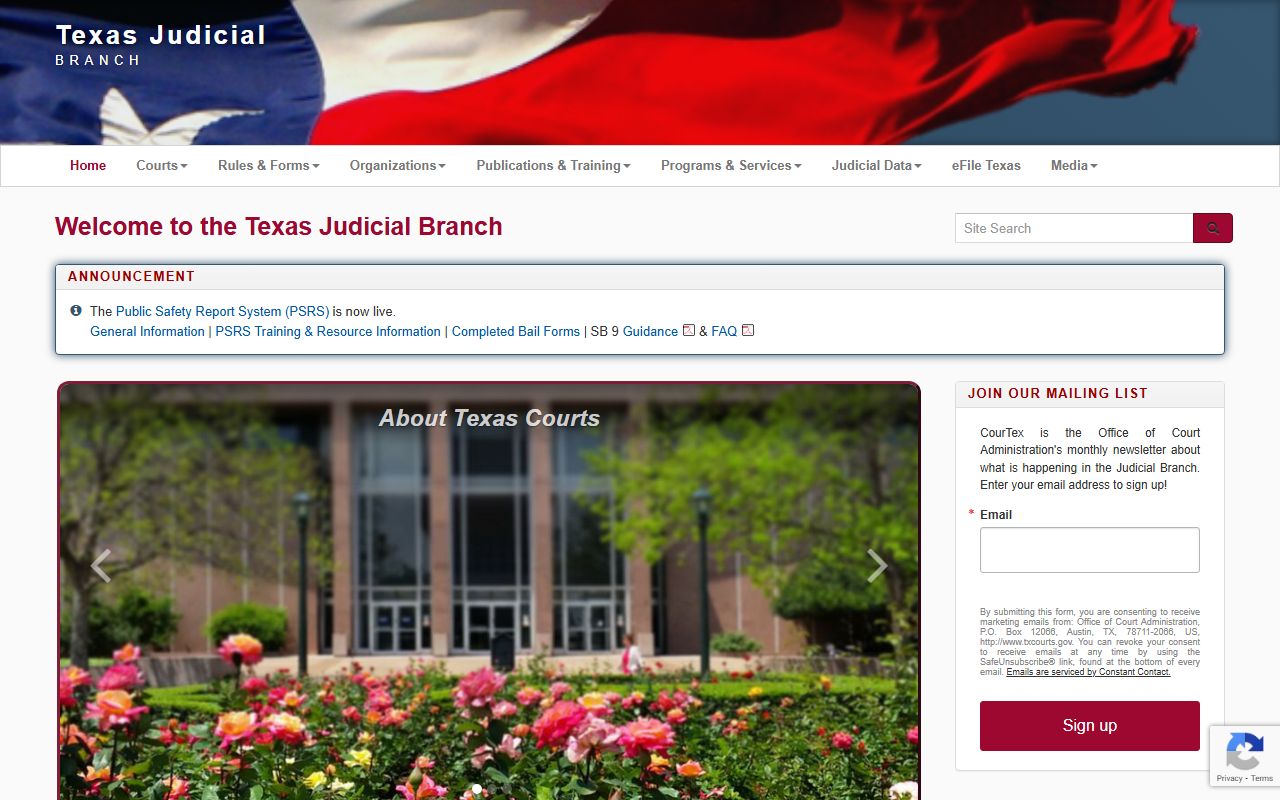
Search Smith County civil cases by party name, cause number, or attorney in the free re:SearchTX portal covering Tyler and all East Texas courts.
Cities in Smith County
Tyler is the county seat and largest city in Smith County. It is one of the major legal and commercial centers of East Texas.
Other communities in Smith County include Lindale, Whitehouse, Bullard, and Hideaway. All civil court filings go through the Smith County District or County Clerk offices in Tyler.
Nearby Counties
Smith County is in East Texas near Tyler. These neighboring counties have their own court systems for civil cases.